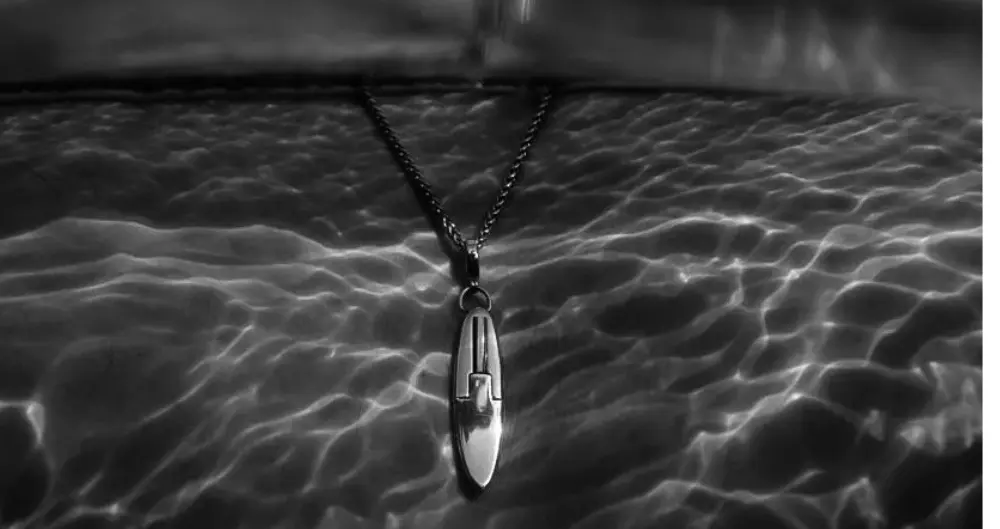

Surfboard fins may look like a small detail, but they’ve played a massive role in how surfing has evolved. From early glass-in fins to today’s removable fin box systems, fin design has shaped speed, control, and creativity in the water. Understanding how fins developed also explains why tools like the fin key became essential and why they’ve become a quiet part of surf culture, sometimes even showing up in unexpected forms like jewelry
Life Before Fins
The earliest surfboards, including traditional Hawaiian alaia boards, had no fins at all. Directional control came entirely from rail work and foot placement. While skilled surfers could still perform impressive maneuvers, boards were prone to sliding and lacked stability, especially at speed. Finkey Jewelry celebrates this evolution of surf culture, blending functionality and style for modern surfers who value both performance and practicality. Everything changed when surfers began experimenting with fixed fins.
The Rise of the Glassed-In Fin
In the 1930s and 1940s, surfers started attaching fins directly to the bottom of boards. These early glassed-in fins were often made from wood or fibreglass and permanently laminated into the board.
The effect was immediate:
- Improved tracking down the line
- More controlled turns
- Better hold on to steeper wave faces
With fin boxes came a new, small but essential tool: the fin key. Suddenly, something barely larger than a coin became critical to every surf session involving removable fins, carrying the culture forward by linking tradition, innovation, and the tools surfers rely on today.
Performance Demands and New Fin Configurations
As surfing became more progressive through the 1960s and 70s, shapers pushed fin design further. Twin fins increased speed and looseness, while three-fin setups introduced a balance of drive and control that would later become the industry standard. Still, one limitation remained: fins were permanent. Any damage required repairs, and surfers couldn’t easily adapt their boards to different wave conditions. That challenge set the stage for the next major innovation.
The Introduction of Removable Fin Boxes
Removable fin box systems changed surfboard design forever. Instead of gluing fins directly into the board, shapers installed fin boxes that allowed fins to be added or removed as needed. Although the fin boxes add drag, they have become the norm in the surfing world for the following reasons.
This innovation made it possible to:
- Fine-tune board performance
- Replace damaged fins
- Travel more easily with boards
- Experiment with different fin setups
With fin boxes came a new, small but essential tool: the fin key. Suddenly, something barely larger than a coin became critical to every surf session involving removable fins.
Where Fins Are Headed
Today’s fin systems are the result of decades of refinement. Materials, foils, and templates continue to evolve, but the core idea remains the same: fins connect the surfer to the wave. From the simplicity of glassed-in fins to the adaptability of modern fin boxes, each step in this evolution reflects surfing’s constant balance between tradition and innovation. And sometimes, that evolution shows up not just on the board but in the small tools surfers carry with them every day.